
Marketing Theories
Every good marketer should know these common marketing theories and how to apply them. From SWOT and TOWS to PESTEL, the 7 Ps and Mendelow's matrix, they help at every stage from planning through to marketing strategy.
Each theory below links to a full explanation. Use the summary to find the framework that fits the problem you're working on.
Quick links
- Ansoff Matrix – choosing a growth strategy
- Balanced Scorecard – measuring performance beyond financials
- The Marketing Mix (7 Ps) – building an offer
- The Communications Mix – choosing promotional channels
- SWOT Analysis – assessing your position
- TOWS Matrix – turning SWOT into action
- Stakeholder Mapping – identifying who matters
- Mendelow's Matrix – prioritising stakeholders
- Consumer Decision-Making Process – how buyers decide
- Porter's Five Forces – assessing industry competition
- The GE Matrix – prioritising business units
- Segmentation, Targeting and Positioning – defining your audience
- Maslow's Hierarchy of Needs – understanding motivation
- Boston Consulting Group Matrix – managing a product portfolio
- PESTEL Analysis – scanning the external environment
- The PESO Model – structuring earned and owned media
The Ansoff Matrix
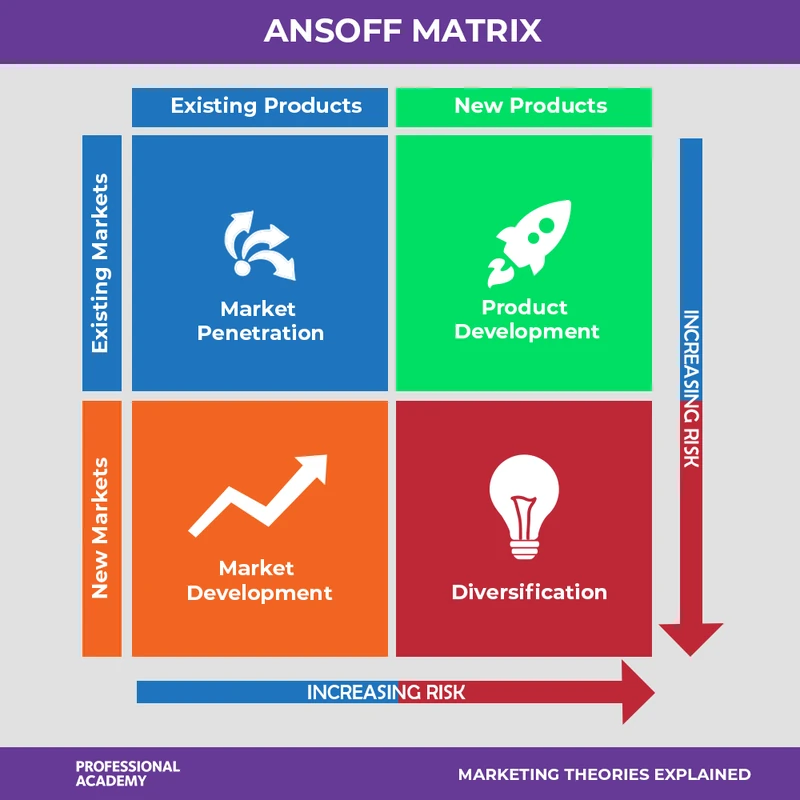
Use this when deciding how to grow. The Ansoff Matrix sets existing and new products against existing and new markets, giving four strategies: market penetration, market development, product development and diversification. Each carries a different level of risk.
Read the full guide to the Ansoff Matrix
Balanced Scorecard
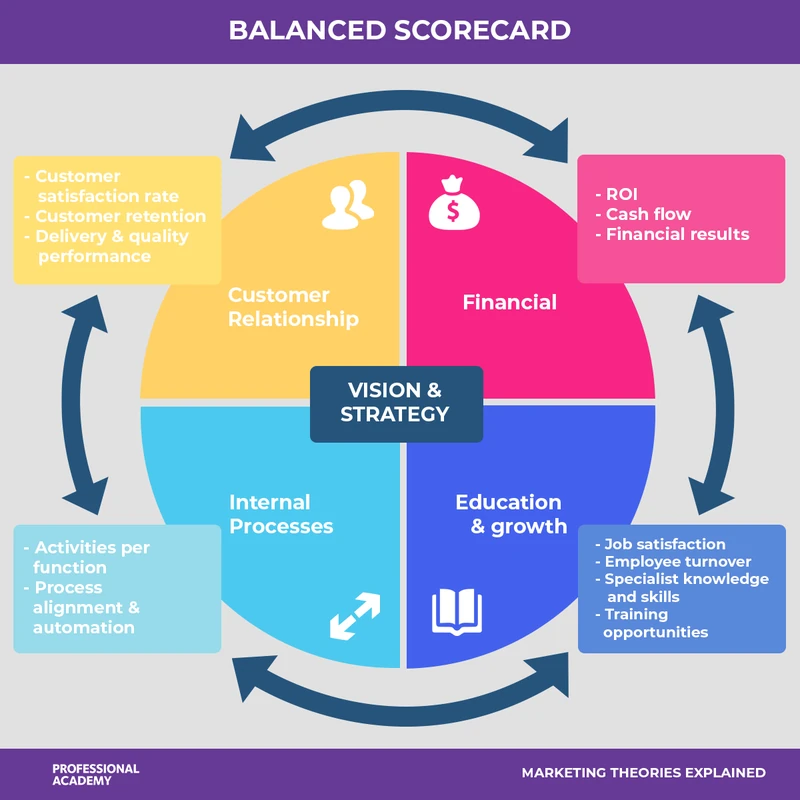
A performance framework that looks beyond financial results to include customers, internal processes, and learning and growth. Useful when you need to show that marketing contributes to the business in ways a revenue figure alone doesn't capture.
Read the full guide to the Balanced Scorecard
The Marketing Mix – from 4 Ps to 7 Ps
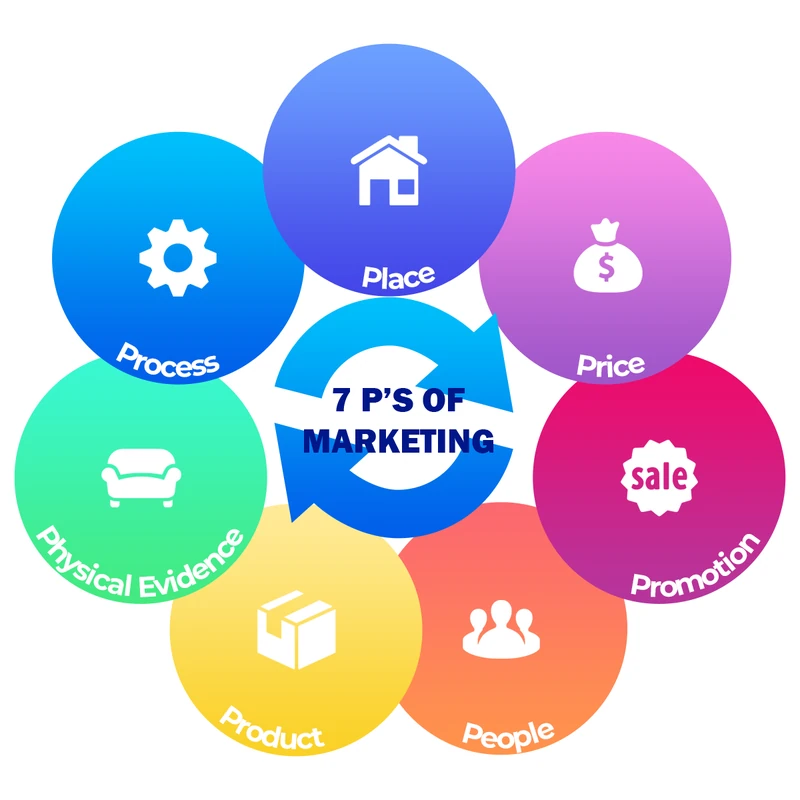
The foundation of most marketing planning. The original four Ps – product, price, place and promotion – extended to seven with people, process and physical evidence, which matter particularly for services such as training and education.
Read the full guide to the marketing mix
The Communications Mix
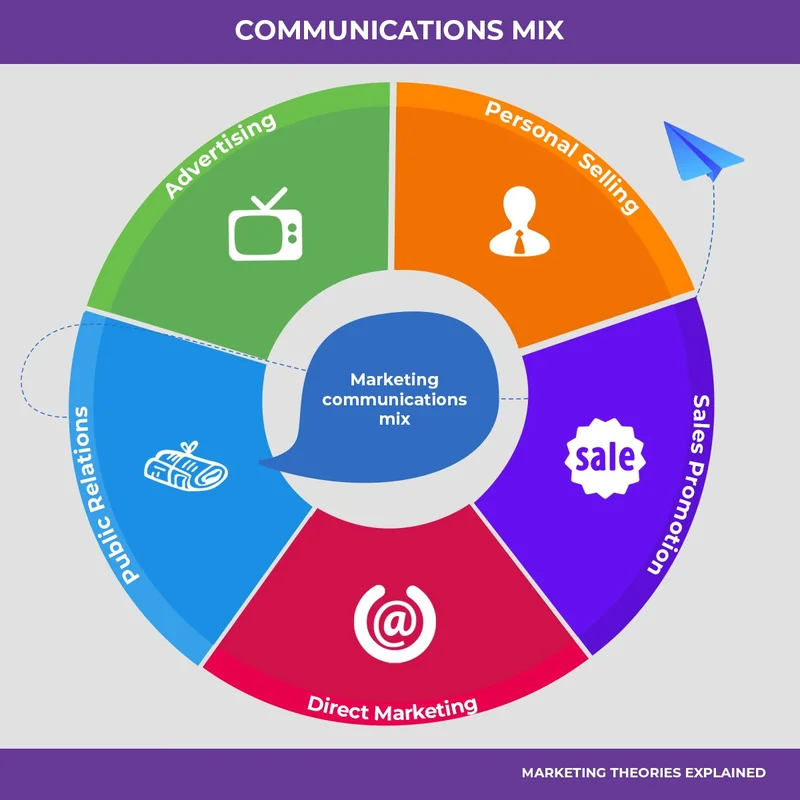
How to combine advertising, public relations, sales promotion, direct marketing and personal selling into a coherent promotional plan. Use it when deciding where a campaign budget should go.
Read the full guide to the communications mix
SWOT Analysis
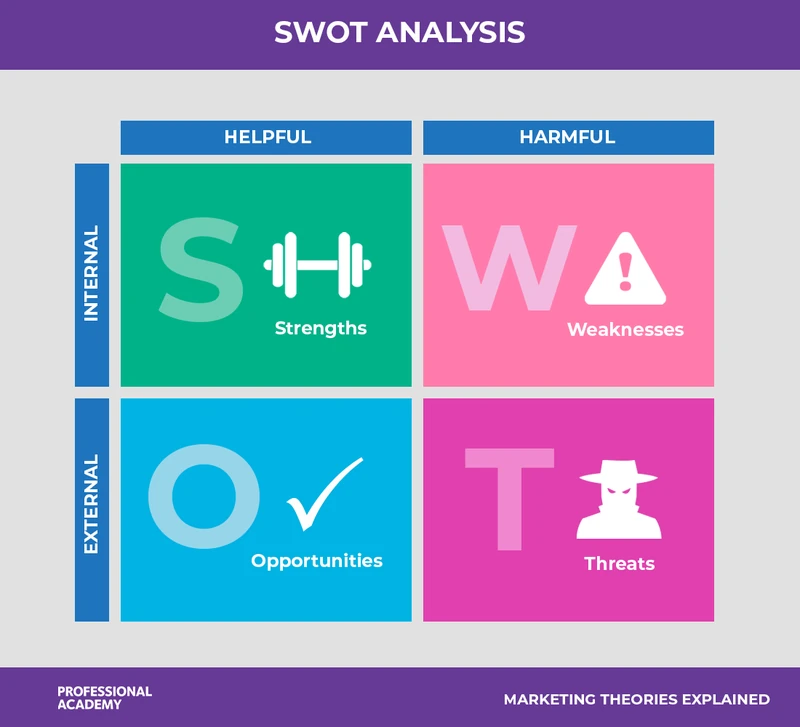
Used when setting objectives, to evaluate the strengths, weaknesses, opportunities and threats facing an organisation. Strengths and weaknesses are internal; opportunities and threats are external. It's the starting point for most strategic planning, and pairs naturally with the TOWS matrix below.
Read the full guide to SWOT analysis
The TOWS Matrix
Where SWOT describes your position, TOWS turns it into strategy. By pairing strengths with opportunities, weaknesses with threats and so on, it generates concrete options rather than a list of observations. Use it immediately after completing a SWOT.
Read the full guide to the TOWS Matrix
Stakeholder Mapping
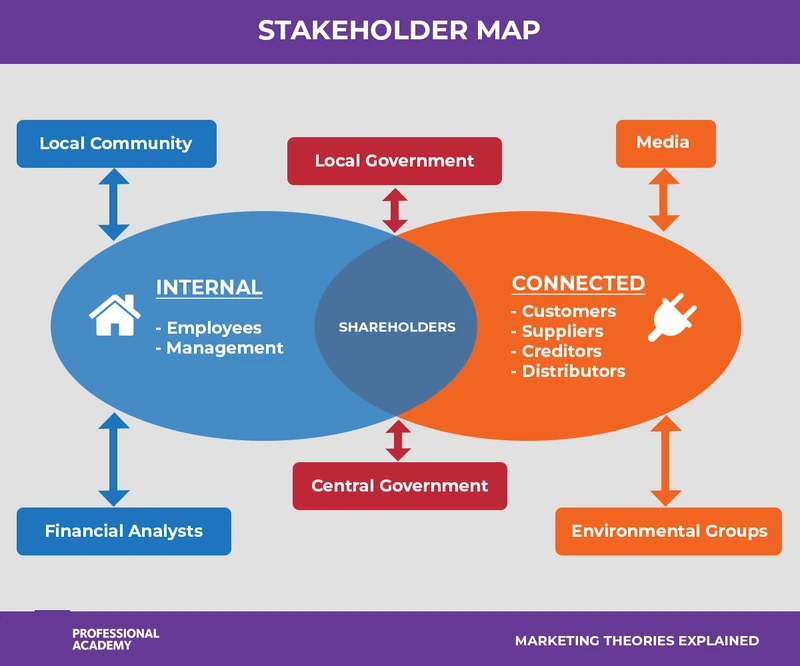
Identifying everyone with an interest in a project or decision, so nobody important is overlooked. Typically the first step before applying Mendelow's Matrix to work out how much attention each stakeholder needs.
Read the full guide to stakeholder mapping
Mendelow's Matrix
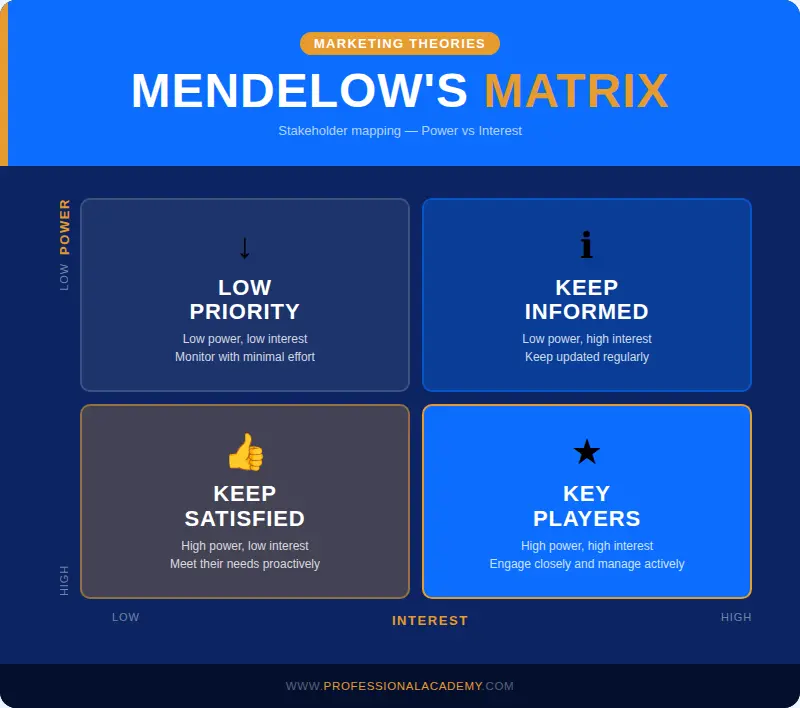
Plots stakeholders by power and interest to show who to manage closely, who to keep satisfied, who to keep informed and who simply to monitor. A practical way to decide where your communication effort should go.
Read the full guide to Mendelow's Matrix
The Consumer Decision-Making Process
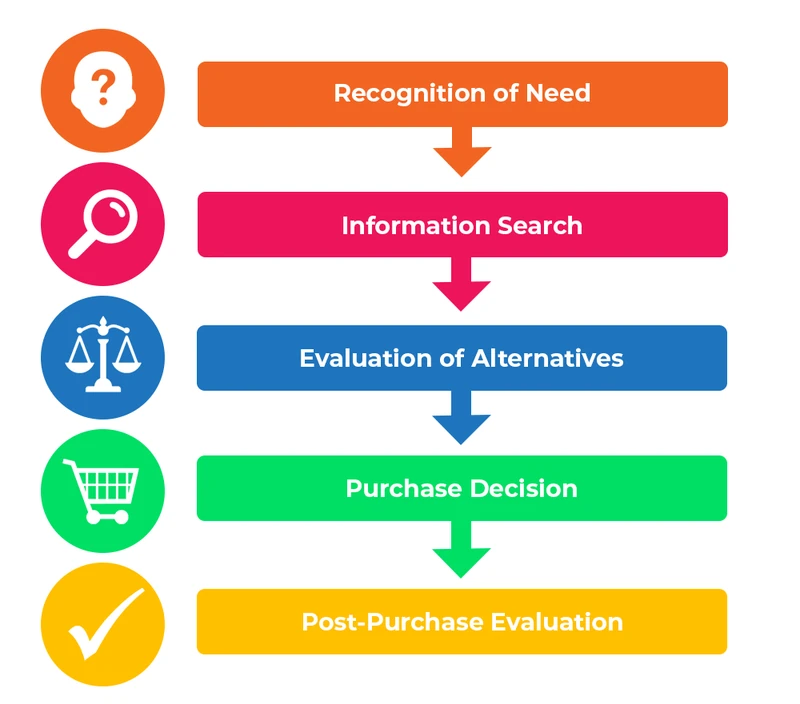
The five stages a buyer moves through: problem recognition, information search, evaluation of alternatives, purchase and post-purchase evaluation. Useful for mapping content and touchpoints to where someone actually is in their decision.
Read the full guide to the consumer decision-making process
Porter's Five Forces
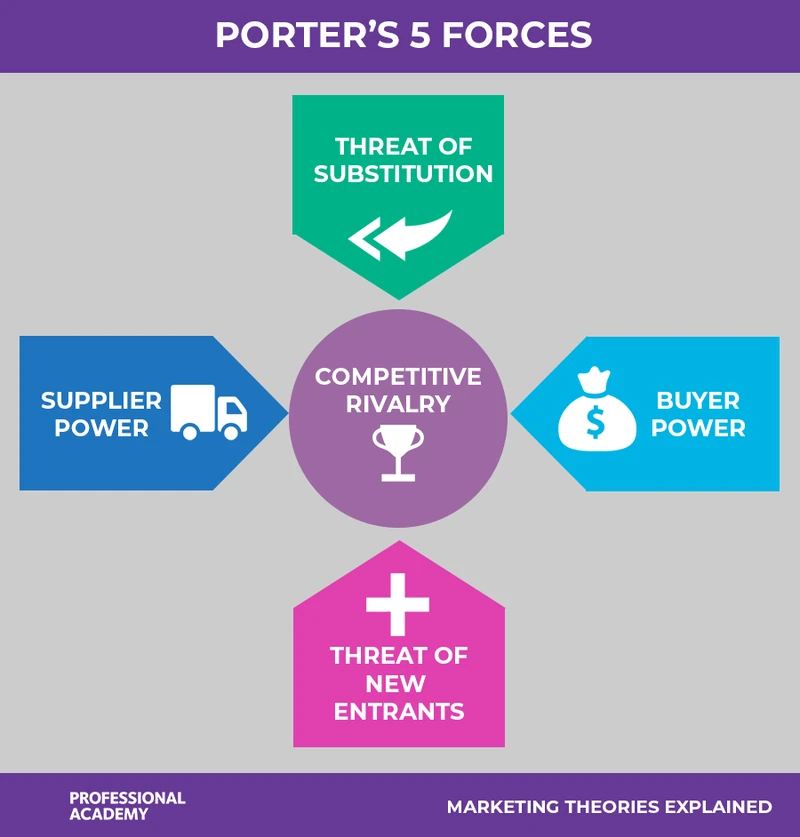
Assesses the competitive pressure in an industry through supplier power, buyer power, threat of new entrants, threat of substitutes and competitive rivalry. Use it to judge whether a market is worth entering, and where your leverage sits.
Read the full guide to Porter's Five Forces
The GE Matrix
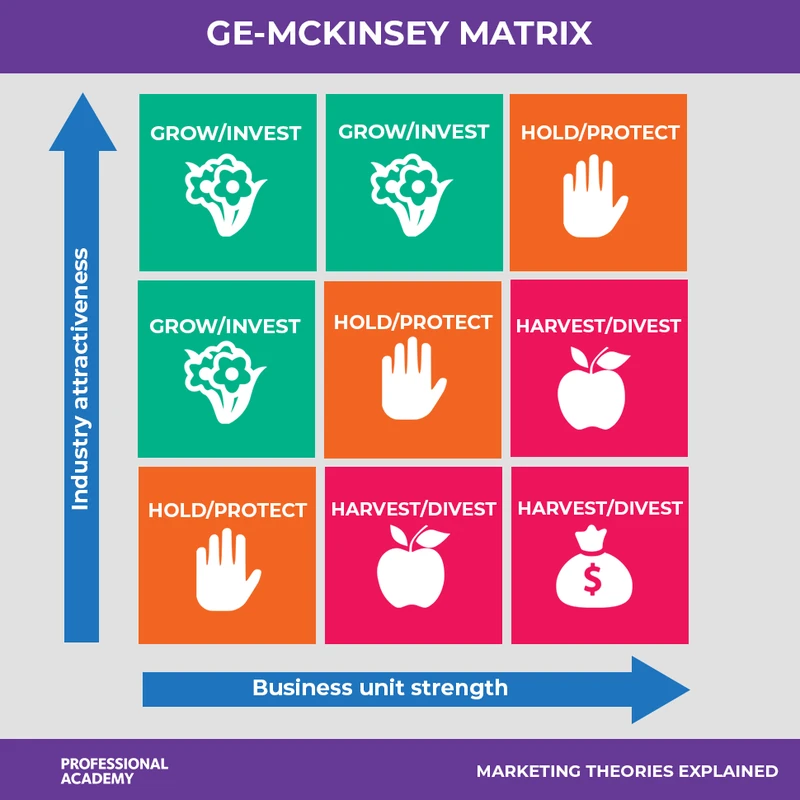
A nine-cell alternative to the BCG matrix, plotting industry attractiveness against business unit strength. More nuanced than BCG, and useful when a simple four-box model doesn't capture the picture.
Read the full guide to the GE Matrix
Segmentation, Targeting and Positioning
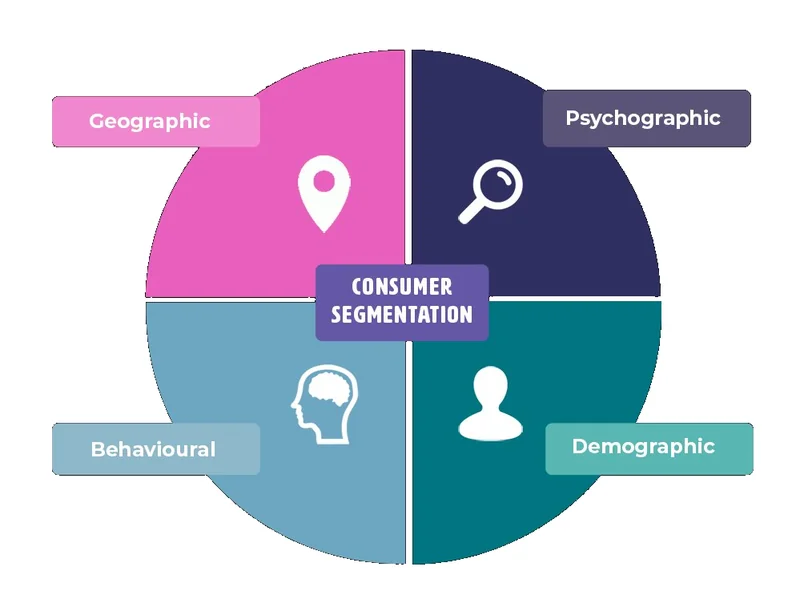
Dividing a market into groups, choosing which to pursue and deciding how to position against competitors in the minds of that audience. The basis of any targeted campaign, and where buyer personas come from.
Read the full guide to segmentation, targeting and positioning
Maslow's Hierarchy of Needs
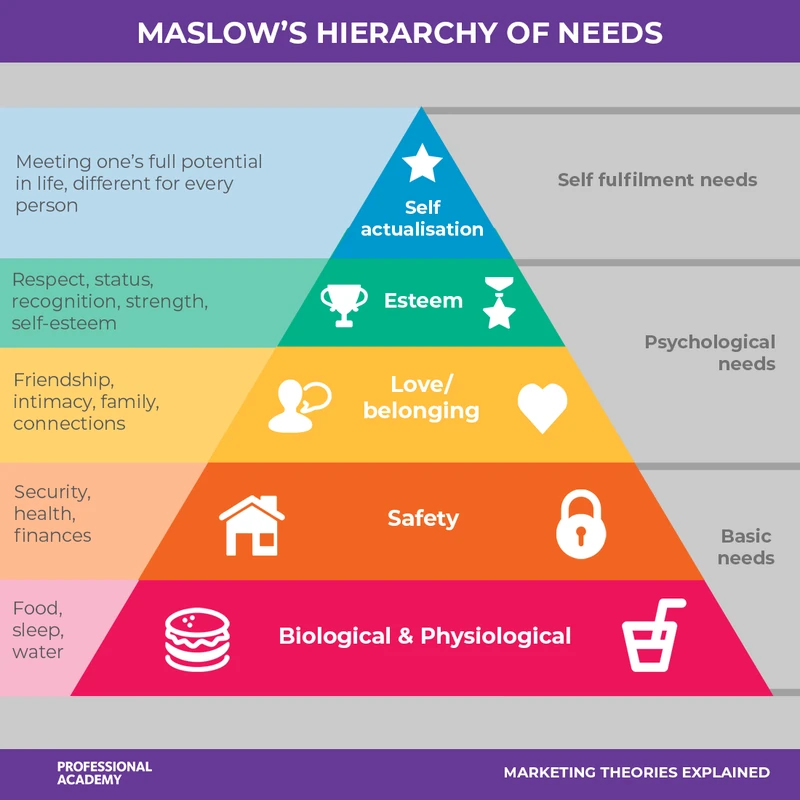
Five levels of human motivation, from physiological needs through to self-actualisation. In marketing it helps explain which need a product genuinely answers, and therefore which message will land.
Read the full guide to Maslow's Hierarchy of Needs
Boston Consulting Group Matrix
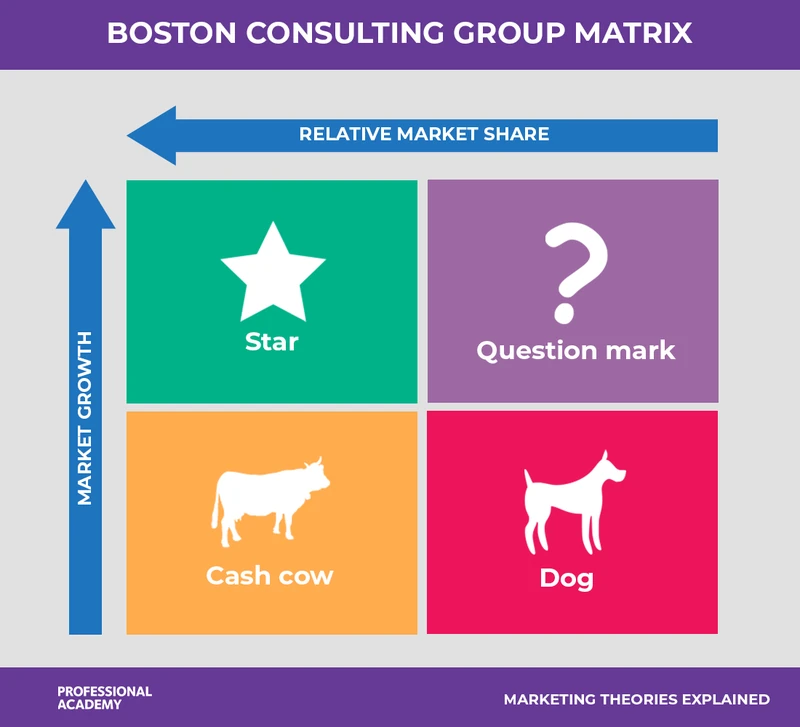
Plots products by market share and market growth into stars, cash cows, question marks and dogs. Use it when deciding where to invest across a portfolio and what to retire.
Read the full guide to the BCG Matrix
PESTEL Analysis
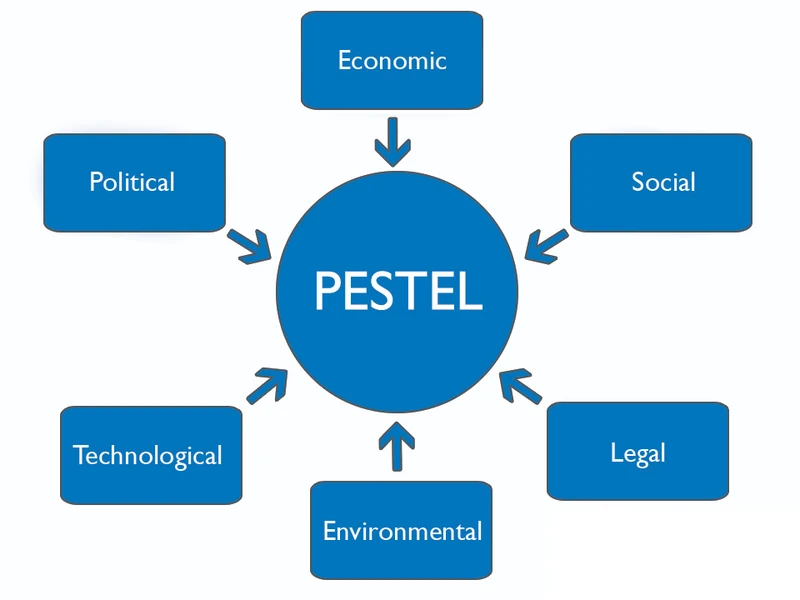
Scans the external environment across political, economic, social, technological, environmental and legal factors. Best used before setting strategy, to surface the forces acting on your market that you don't control.
Read the full guide to PESTEL analysis
The PESO Model
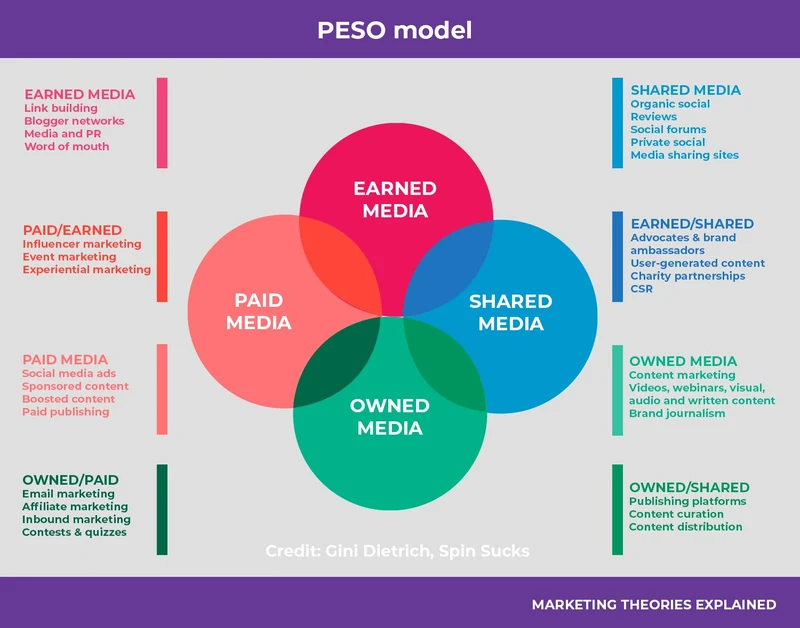
Groups media into paid, earned, shared and owned, and shows how the four overlap. A clear way to plan integrated campaigns and to see where you're over-reliant on a single channel.
Read the full guide to the PESO model
Study these theories in depth
These frameworks form part of CIM marketing qualifications, where you apply them to real business problems rather than simply learning the models. Professional Academy is a CIM Strategic Partner, delivering qualifications from Foundation through to Level 6 Diploma.
Explore CIM marketing qualifications
Not sure which level is right for you? Use our qualification calculator or speak to an adviser.







